

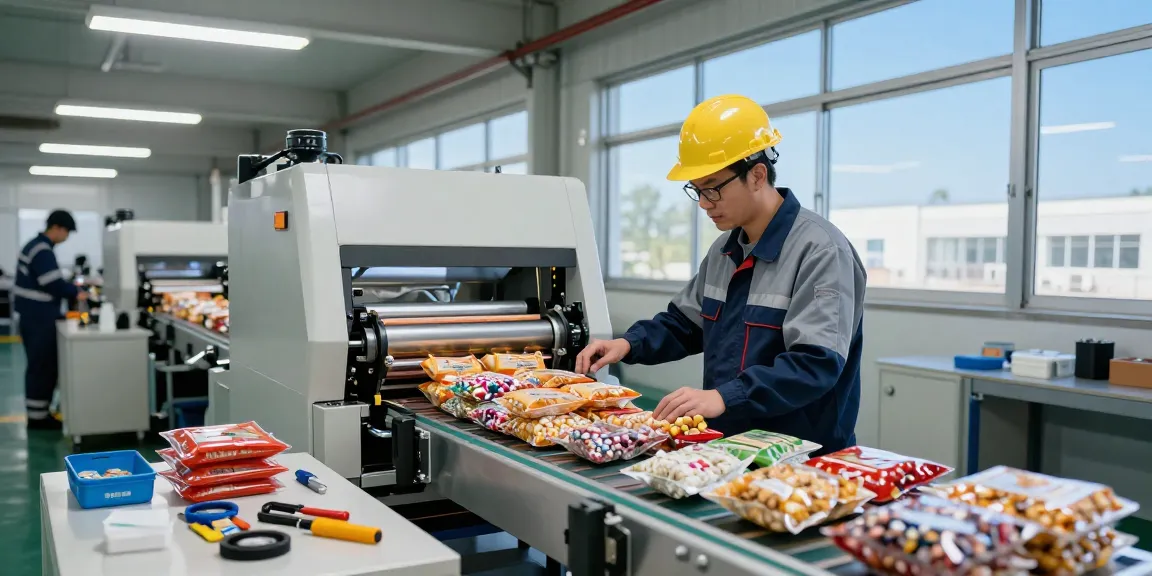
Understanding Flow Wrapper Technology
As industries evolve, the demand for efficient and reliable packaging solutions continues to grow. Among the various machines available in the market, the flow wrapper stands out due to its versatility and efficiency in packaging a wide range of products. In this comprehensive guide, we will explore the intricacies of flow wrapper technology, its benefits, and its applications in various sectors. Whether you are involved in food processing or manufacturing, understanding flow wrapper machinery will provide you with insights that can enhance your packaging operations. If you’re looking for more information on the latest advancements in flow wrappers, Flow wrapper solutions are essential to optimizing your production line.
What is a Flow Wrapper?
A flow wrapper, often referred to as a flow pack machine, is a type of packaging equipment that wraps products in a flexible film to create a sealed package. The wrapping process involves several key stages: product feeding, film drawing, wrapping, and sealing. Flow wrappers are particularly notable for their ability to handle various product shapes and sizes, making them ideal for packaging chocolates, snacks, baked goods, and even non-food items like electronics or pharmaceuticals.
Key Components of Flow Wrappers
Flow wrappers are composed of several essential components that work together to ensure high-quality packaging. These include:
- Film Feed System: Utilizes a roll of packaging film that is drawn over the product.
- Product Infeed: The mechanism that positions the product on the film as it is fed through the machine.
- Sealing Mechanism: Creates secure seals at both ends of the package, usually through heat sealing.
- Control Panel: Allows operators to adjust settings such as speed, temperature, and film tension.
- Output Conveyor: Moves the finished packages away from the wrapping area for further processing or shipping.
How Flow Wrappers Improve Efficiency
Flow wrappers significantly enhance operational efficiency due to their automation capabilities and high-speed performance. Compared to traditional manual wrapping methods, flow wrappers can substantially reduce labor costs and improve production rates. They also minimize the risk of product damage, as they apply consistent tension and sealing pressure. For manufacturers, this translates to better use of resources, elevated product quality, and an overall increase in return on investment (ROI).
Types of Flow Wrappers in the Market
Horizontal vs. Vertical Flow Wrappers
Flow wrappers can generally be categorized into two main types: horizontal and vertical. Each type has its unique applications and operational techniques. Horizontal flow wrappers operate with the product placed horizontally on the film during the wrapping process, making them ideal for packing items such as bars and boxes. In contrast, vertical flow wrappers are designed to accommodate products that are fed into the machine in a vertical position, which is typically used for bulkier items or items that require a standing package, like granola bars or pouches of snacks.
Choosing the Right Flow Wrapper for Your Products
Selecting the appropriate flow wrapper for your business starts with assessing the products you will be packaging. Factors such as product dimensions, weight, and packaging material compatibility should guide your decision. Additionally, consider production speed requirements, space limitations, and budget constraints. Consulting with packaging specialists can also provide valuable insights into the best flow wrapper for your specific needs.
Comparison of Top Flow Wrapper Brands
Several leading brands manufacture flow wrappers, each offering specific features and technologies. Notable brands include:
- Mettler Toledo: Renowned for precision and reliability, their flow wrappers are equipped with advanced weighing and inspection systems.
- Markem-Imaje: Specializes in coding and marking solutions that integrate seamlessly with flow wrapping machinery.
- ULMA Packaging: Offers a wide range of options catering to diverse industries, known for their durability and energy efficiency.
- PAC Machinery: Provides versatile solutions suitable for various product types with options for customization.
- BestPack: Known for high-speed performance and flexibility, making them ideal for high-volume operations.
Best Practices for Using Flow Wrappers
Routine Maintenance for Optimal Performance
To ensure the long-lasting performance of your flow wrapper, implementing a routine maintenance schedule is crucial. Regularly check and replace worn-out parts, lubricate moving components, and clean the film feed area to prevent any potential downtime. A well-maintained machine not only operates efficiently but also prolongs its lifespan.
Training Staff for Efficient Operation
Investing in comprehensive training for your staff can greatly improve the efficiency of your flow wrapping operations. Ensure that your team understands how to operate the machine, troubleshoot common issues, and perform maintenance tasks. Well-trained operators can reduce error rates and increase overall productivity.
Common Mistakes to Avoid with Flow Wrappers
When using flow wrappers, certain mistakes can compromise the quality of your packaging. These include:
- Incorrect Film Selection: Ensure that the packaging film used is compatible with your product to prevent seals from failing.
- Improper Machine Settings: Regularly calibrate your machine settings based on the type of product being packaged and environmental factors.
- Lack of Communication: Foster an open line of communication between production and maintenance teams to quickly address any operational issues.
Sustainability in Flow Wrapping Solutions
Eco-Friendly Materials for Flow Wrapping
With the growing emphasis on sustainability, the packaging industry has pivoted towards using eco-friendly materials. Many manufacturers are now offering biodegradable films that do not compromise product protection. These advancements not only meet consumer demand for sustainable practices but also comply with regulations aimed at reducing plastic waste.
Reducing Waste with Automation
Automation is a key driver in reducing packaging waste. Flow wrappers equipped with advanced sensors and controls can optimize film usage, minimizing excess material. Furthermore, automated quality inspection systems can detect defects in real-time, ensuring only well-packaged products proceed down the production line.
The Role of Flow Wrappers in Sustainable Packaging
Flow wrappers can significantly contribute to sustainable packaging initiatives. By improving packaging efficiency and using eco-friendly materials, these machines help companies align with environmentally responsible practices. Additionally, their capacity for high-speed production ensures that companies can meet consumer demand while reducing their carbon footprint.
Future Trends in Flow Wrapping Technology
Innovative Features to Look for in 2026
The flow wrapping technology landscape is continuously evolving with new innovations. Features to look for in the near future include:
- Smart Technology Integration: The incorporation of IoT devices for real-time monitoring and predictive maintenance.
- Enhanced User Interfaces: More intuitive controls that streamline operation and minimize training time.
- Energy-Efficient Models: Designs focused on reducing energy consumption without sacrificing performance.
Impact of Industry 4.0 on Packaging Machinery
The advent of Industry 4.0 is set to transform packaging machinery, including flow wrappers. This new industrial revolution emphasizes connectivity, automation, and data exchange. Flow wrappers with integrated AI and machine learning capabilities can optimize production processes by analyzing data and adjusting settings autonomously.
Predicted Market Growth for Flow Wrappers
The global flow wrapper market is expected to witness significant growth in the coming years. As more businesses recognize the advantages of this technology, investment in flow wrapping solutions will likely increase. Market analysts predict a surge in demand, particularly in the food and pharmaceutical sectors, where packaging efficiency is critical.
What is the average cost of a flow wrapper?
The cost of flow wrappers can vary significantly based on features, speed, and brand. Entry-level models may start around $25,000, while high-end systems can exceed $100,000. It’s crucial to evaluate your specific packaging needs and budget when considering a purchase.
How does a flow wrapper work?
A flow wrapper operates by feeding a continuous roll of film around the product. The film is folded and sealed using heat or pressure, creating a tight package that protects the contents from external elements. This process is automated, allowing for high-speed production with minimal manual labor.
What products are best suited for flow wrapping?
Flow wrappers are ideal for a variety of products, particularly those that are solid and have a stable shape. Commonly flow-wrapped items include snacks, baked goods, frozen foods, and non-food products like hardware and stationery. The flexibility of the flow wrapping process makes it suitable for diverse applications across multiple industries.
Are there any alternatives to flow wrapping?
While flow wrapping is a popular choice, several alternatives exist, such as vertical form-fill-seal (VFFS) machines, shrink wrapping, and bundling machines. Each method has its unique advantages and disadvantages, making it important to assess the specific requirements of your packaging process.
What maintenance do flow wrapping machines require?
Flow wrapping machines require regular maintenance to ensure they function effectively. This includes cleaning, lubrication of moving parts, inspection of seals and mechanical components, and calibration of settings. Implementing a preventive maintenance schedule will help identify potential issues before they affect production.
