

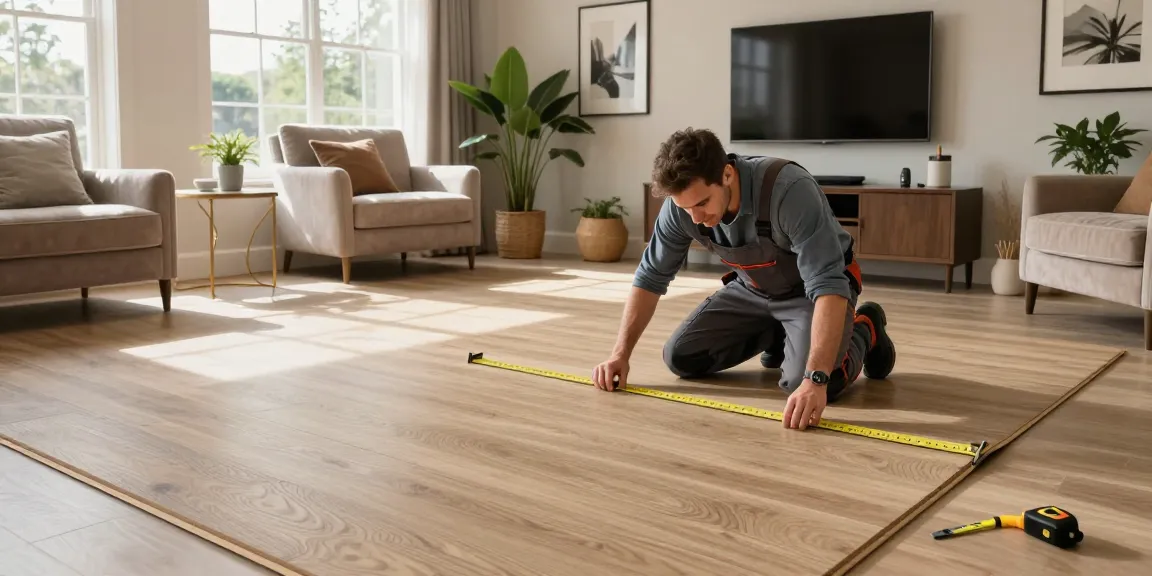
Understanding Acoustic Flooring Options
Choosing the right flooring for your home is crucial not just for aesthetics but also for improving comfort and reducing noise pollution. Acoustic flooring options have gained popularity in the UK, particularly for urban dwellers and families looking to create a peaceful living environment. Understanding the various materials and their benefits is essential when exploring the est acoustic flooring for UK homes.
What is Acoustic Flooring?
Acoustic flooring is designed to minimize sound transmission between rooms and from external sources. This type of flooring can significantly improve the quality of life in noisy environments, such as apartments and busy streets. The primary function of acoustic flooring is to dampen sound, thereby reducing the impact of both airborne noise (like voices and music) and impact noise (such as footfalls and dropped objects).
Types of Acoustic Flooring Available
There are several types of acoustic flooring materials available on the market today, each catering to different needs and preferences. Some of the most common options include:
- Vinyl Flooring: Known for its durability and ease of maintenance, vinyl flooring can come with built-in acoustic properties, making it an ideal choice for sound reduction.
- Cork Flooring: An eco-friendly option, cork has natural sound-absorbing qualities that make it a popular choice for those looking to reduce noise.
- Carpet Tiles: These are versatile and can be arranged in various patterns. They provide excellent sound absorption and are easy to replace if damaged.
- Laminate Flooring: With advancements in technology, laminate flooring now often includes soundproofing underlays for added acoustic performance.
Benefits of Installing Acoustic Flooring
Installing acoustic flooring comes with numerous advantages:
- Noise Reduction: The primary benefit is significant noise reduction, providing a quieter and more serene environment.
- Enhanced Comfort: Acoustic flooring can provide a softer underfoot feel, which contributes to overall comfort, especially in high-traffic areas.
- Energy Efficiency: Some acoustic flooring options can also provide insulation, helping to keep your space warmer in the winter and cooler in the summer.
- Design Versatility: Acoustic flooring comes in various designs and styles, allowing homeowners to achieve their desired aesthetic without sacrificing functionality.
Top Acoustic Flooring Materials for 2026
As new materials and technologies emerge, some flooring options stand out for their exceptional acoustic properties. Here, we’ll explore some of the best acoustic flooring materials for 2026.
Vinyl Flooring: Noise Reduction Benefits
Vinyl flooring is increasingly popular for modern homes, particularly for its noise reduction capabilities. High-quality luxury vinyl tiles (LVT) can provide substantial acoustic benefits, often featuring a built-in sound-absorbing layer. They are also waterproof and easy to clean, making them ideal for busy households.
Cork Flooring: An Eco-Friendly Choice
Cork flooring is derived from the bark of cork oak trees, making it a sustainable choice for eco-conscious homeowners. Its natural structure provides excellent sound insulation, making it effective in reducing noise pollution. Additionally, cork has hypoallergenic properties and is resistant to mould and mildew.
Carpet Tiles: Versatile and Soundproof
Carpet tiles offer flexibility in design and installation. They can be used in various configurations, allowing homeowners to create unique patterns while enjoying sound-absorbing benefits. Carpet tiles are especially beneficial in commercial spaces and homes with children, providing a soft surface that cushions falls.
Installation Techniques for Optimal Performance
Proper installation of acoustic flooring is critical to maximizing its soundproofing capabilities. Here are essential techniques and considerations:
Preparing Your Space for Acoustic Flooring
Before installation, preparation of the subfloor is crucial. Ensure the surface is clean, dry, and level to avoid any sound transmission issues. Depending on the material, you may also need to install an underlay, which can further enhance sound insulation.
DIY Installation vs. Professional Help
While some homeowners may opt for DIY installation to save costs, hiring a professional can ensure a flawless finish and optimal performance. Professionals are experienced in handling various materials and can provide insights into the best practices specific to the type of acoustic flooring chosen.
Essential Tools for Effective Installation
Whether you choose to install your flooring yourself or hire a professional, having the right tools is essential. Key tools include:
- Measuring tape and square
- Utility knife for cutting materials
- Carpet stretcher for carpet tiles
- Trowel for adhesive application if needed
Measuring Acoustic Performance
To truly assess the effectiveness of acoustic flooring, understanding its performance metrics is essential. Here’s how to measure acoustic performance effectively.
Understanding Impact Sound Reduction Ratings
Impact sound reduction ratings (ISRR) are a crucial factor in evaluating the effectiveness of acoustic flooring. These ratings measure how well a floor reduces sound from impacts. The higher the rating, the better the flooring is at mitigating noise. Common ratings to look for include those from the British Standards Institute, which sets guidelines for soundproofing in residential spaces.
How to Test Acoustic Performance
Testing the acoustic performance of flooring can be done through professional assessments or DIY methods. One common approach is to play sound at a consistent volume above the flooring and measure the sound levels in adjacent rooms. This will provide a practical understanding of how well the flooring mitigates noise.
Real-World Examples of Performance Metrics
For instance, flooring materials like LVT can achieve an ISRR of 20 dB, while carpeting with an appropriate underlay can reach upwards of 30 dB. These figures give homeowners realistic expectations when selecting soundproofing solutions.
Future Trends in Acoustic Flooring
The flooring industry is continually evolving, with new trends emerging that are shaping the future of acoustic flooring.
Innovative Designs and Sustainable Materials
As environmental consciousness rises, many manufacturers are developing flooring solutions that use sustainable materials without compromising on acoustic performance. Innovative designs that blend aesthetics with functionality are becoming more prevalent, allowing homeowners to choose products that fit their décor while also addressing noise issues.
The Role of Technology in Flooring Solutions
Technology plays a key role in enhancing acoustic performance. Advanced manufacturing techniques enable the creation of thinner, lighter flooring products that still provide robust sound insulation. Moreover, smart flooring systems that can integrate with home automation setups are beginning to emerge, offering additional control over sound and comfort.
Predictions for Acoustic Flooring Developments in 2026
Looking ahead to 2026, we can anticipate further advancements in acoustic flooring technology. This may include improvements in material composition for better sound absorption, increased variety in designs, and enhanced installation techniques that facilitate faster and more efficient flooring projects. With the continued focus on urban living and the need for quieter homes, the demand for effective acoustic solutions will only grow.
What are the benefits of acoustic flooring?
Acoustic flooring benefits include noise reduction, increased comfort, energy efficiency, and versatile design options that suit various home styles.
How do I measure soundproofing effectiveness?
To measure soundproofing effectiveness, look at impact sound reduction ratings and conduct sound level tests to assess noise levels before and after installation.
Can I install acoustic flooring by myself?
While DIY installation is feasible, hiring professionals can ensure optimal results and save time, particularly with complex materials that require precise fitting.
What types of flooring provide the best soundproofing?
Carpet, cork, and high-quality vinyl flooring are some of the best options for soundproofing due to their inherent noise-absorbing qualities.
How does acoustic flooring impact home value?
Investing in high-quality acoustic flooring can enhance a home’s value by improving comfort and appeal, especially in urban areas where noise levels are higher.
