Understanding Zero Waste Kitchens in Small Apartments
Creating a zero waste kitchen is not just a trend; it’s a lifestyle choice that addresses pressing environmental concerns while fitting seamlessly into the realities of urban living. For those residing in small American apartments, the challenge is how to establish this sustainable kitchen practice within limited space and resources. This guide will explore practical techniques that maximize your kitchen's efficiency while minimizing waste, offering a step-by-step approach tailored specifically for apartment dwellers.
When exploring options, zero waste kitchen setup for small american apartments provides comprehensive insights into sustainable practices that anyone can adopt, regardless of their living situation.
What is a Zero Waste Kitchen?
A zero waste kitchen is designed to eliminate waste generated during food preparation, cooking, and storage. The goal is to maximize the use of resources and minimize disposal waste, promoting recycling and reuse at every stage. This involves shifting from single-use items to reusable products, finding creative solutions for food storage, and adopting sustainable habits.
Importance of Zero Waste in Urban Living
Urban environments face unique waste challenges due to high population density and limited space for waste disposal. Establishing a zero waste kitchen in such settings not only helps reduce landfill contributions but also encourages others in the community to adopt similar practices. Furthermore, it fosters a sense of responsibility towards sustainability, impacting both individual and collective lifestyles in urban areas.
Overview of Small Apartment Challenges
For many renters in the U.S., small apartments pose several challenges that complicate the journey toward a zero waste kitchen. Issues such as limited storage, small kitchen size, and landlord restrictions can create barriers. However, with strategic planning and smart choices, it’s entirely possible to mitigate these challenges while embracing sustainable practices.
Step-by-Step Guide to Creating Your Zero Waste Kitchen
Assessing Your Current Kitchen Inventory
Begin your zero waste journey by assessing the items currently in your kitchen. Open each drawer and cabinet, and categorize your belongings into three groups:
- Items used weekly: Essentials that you can't live without.
- Occasionally used items: Tools and utensils that serve specific purposes but aren't used daily.
- Unused items: Things that haven't seen the light of day in over six months.
This inventory will help you identify what you genuinely need, allowing you to declutter and free up space for sustainable alternatives.
Choosing Sustainable Kitchen Products
Once you've conducted a thorough inventory, it's time to replace single-use items with more sustainable options. Consider incorporating the following:
- Cloth Towels: Substitute paper towels with washable cloths.
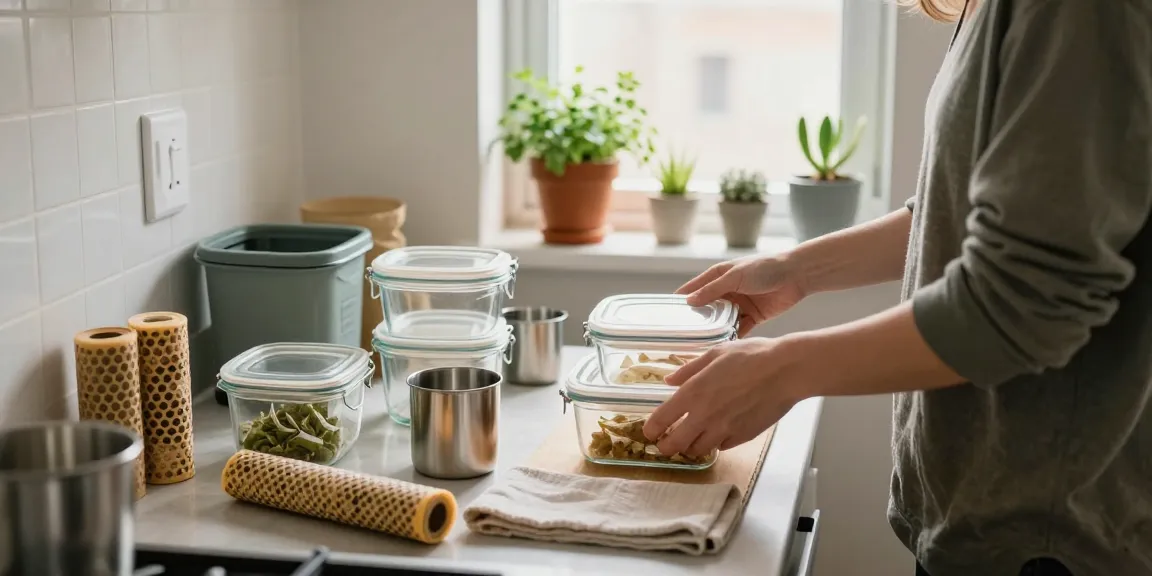
- Beeswax Wraps or Silicone Lids: These are perfect for covering leftovers instead of plastic wrap.
- Glass or Stainless Steel Containers: Opt for these durable storage solutions that will last for years.
- Reusable Produce Bags: Take these to bulk and produce stores instead of plastic bags.
- Dish Brushes: Replace sponges with dish brushes that come with replaceable heads.
Investing in these durable items may seem costly initially, but they save money over time by reducing the need for frequent repurchases of disposable products.
Organizing for Efficiency in Limited Space
Space management is critical in a small apartment kitchen. Consider these strategies for efficient organization:
- Utilize vertical storage options such as shelves or hooks to maximize limited counter and cupboard space.
- Incorporate stackable containers to optimize storage in cabinets and the refrigerator.
- Keep reusable items accessible to encourage consistent use.
- Establish designated zones for different tasks, such as cooking, cleaning, and food storage, to streamline workflows.
Practical Alternatives for Reducing Waste
Substituting Single-Use Products
One of the easiest ways to begin is by replacing single-use products with reusable alternatives. Start by swapping out:
- Plastic bags for reusable tote bags.
- Plastic straws for stainless steel or bamboo straws.
- Coffee filters for a reusable coffee filter or French press.
Reusable Tools and Containers
Incorporating reusable tools into your kitchen is another essential step. Choose items that offer versatility and durability. For example:
- Invest in a high-quality knife that can perform multiple tasks, reducing the need for specialty tools.
- Select sustainable cutting boards made from bamboo or recycled materials.
- Opt for a multi-use blender that can handle various tasks—from smoothies to soups—reducing the need for separate appliances.
Creating Composting Solutions Without a Backyard
Composting can seem daunting for apartment residents, especially without outdoor space. However, several indoor composting methods exist:
- Bokashi Composting: This anaerobic method allows you to compost food waste indoors using a special mix of microorganisms.
- Worm Composting (Vermicomposting): This involves using worms to break down kitchen scraps into nutrient-rich compost.
- Countertop Compost Bins: These can be kept on your kitchen counter and sealed to minimize odors, turning waste into compost over time.
Common Mistakes to Avoid in Your Zero Waste Journey
Underestimating Space Requirements
Many newcomers to zero waste living misjudge how much space they need for reusable items. Always consider your available space when selecting storage containers and tools to ensure everything can be housed adequately.
Making Quick Purchases Without Planning
Impulse buying is a common pitfall. Take the time to plan your purchases based on your inventory assessment and ensure each item serves a purpose in your zero waste kitchen.
Ignoring Local Recycling and Composting Guidelines
Understanding your city’s regulations regarding recycling and composting is crucial. Without this knowledge, you may inadvertently contribute to more waste rather than reduce it. Research local guidelines to ensure compliance.
Benefits and Trends for 2026 in Zero Waste Living
Cost Savings with Reusable Products
Transitioning to reusable products leads to significant long-term savings. While the initial investment may be higher, the overall reduction in purchasing disposable items will result in a more economical kitchen.
Community Building and Local Support Networks
As the zero waste movement grows, so does the opportunity for community engagement. Many cities are developing networks for sharing resources, trading goods, and providing support for individuals committed to living sustainably.
Future Innovations in Sustainable Kitchen Solutions
Looking ahead, innovations in kitchen tools and gadgets designed specifically for zero waste living will continue to emerge. Expect new products that improve efficiency, reduce waste, and enhance sustainability, making it easier for apartment dwellers to embrace a zero waste lifestyle.
What are the best products for a zero waste kitchen?
The best products are durable, reusable, and versatile. Key items include glass or stainless steel containers, cloth towels, beeswax wraps, and a high-quality dish brush. These items combine functionality with sustainability.
How can I compost in a small apartment?
Composting in a small apartment can be achieved through methods such as Bokashi composting or vermicomposting. These systems are compact and can be managed indoors without odors.
What initial steps should I take towards zero waste?
Start by assessing your current kitchen inventory, replacing single-use items with reusable alternatives, and organizing your space for efficiency. Small, manageable changes will lead to a more sustainable kitchen.
Are there financial benefits to going zero waste?
Yes, transitioning to a zero waste kitchen often results in financial savings over time as initial investments in durable products lead to reduced expenditures on disposable goods.
What challenges do renters face in minimizing kitchen waste?
Renters often deal with limited space, restrictions imposed by landlords, and the challenge of finding sustainable products that fit their specific needs. Understanding these challenges is key to developing effective solutions.